The Charm of Original Wood Windows in Jacksonville Homes
Original wood windows are one of the most distinctive features of Jacksonville's historic neighborhoods and older residential properties. These windows have survived decades, sometimes more than a century, and they carry both architectural character and genuine craftsmanship that modern replacements struggle to replicate. The thick glazing, solid wood frames, and period-appropriate hardware tell the story of a home's past and add undeniable curb appeal.
However, the same qualities that make original wood windows beautiful also make them vulnerable to the elements. Jacksonville's humid subtropical climate, combined with salt air near coastal areas and intense sun exposure, creates the perfect conditions for wood deterioration. Window sills bear the brunt of this exposure because they sit at the junction where water naturally collects and where wood meets the outside world. Many homeowners assume that rotted window frames automatically mean replacement is the only option. In reality, strategic sill repair often preserves the integrity and authenticity of the original window while saving thousands of dollars.
Understanding Window Sill Rot and Why It Happens
Window sills are horizontal surfaces that take a beating from rain, snow, temperature swings, and UV radiation. Over time, the protective paint or finish breaks down, exposing bare wood to moisture. Water penetrates the wood fibers, creating conditions where fungi thrive and wood begins to soften and decay. This is the beginning of what homeowners often call window sill rot, though the technical term is wood rot or dry rot depending on the specific conditions and fungal species involved.
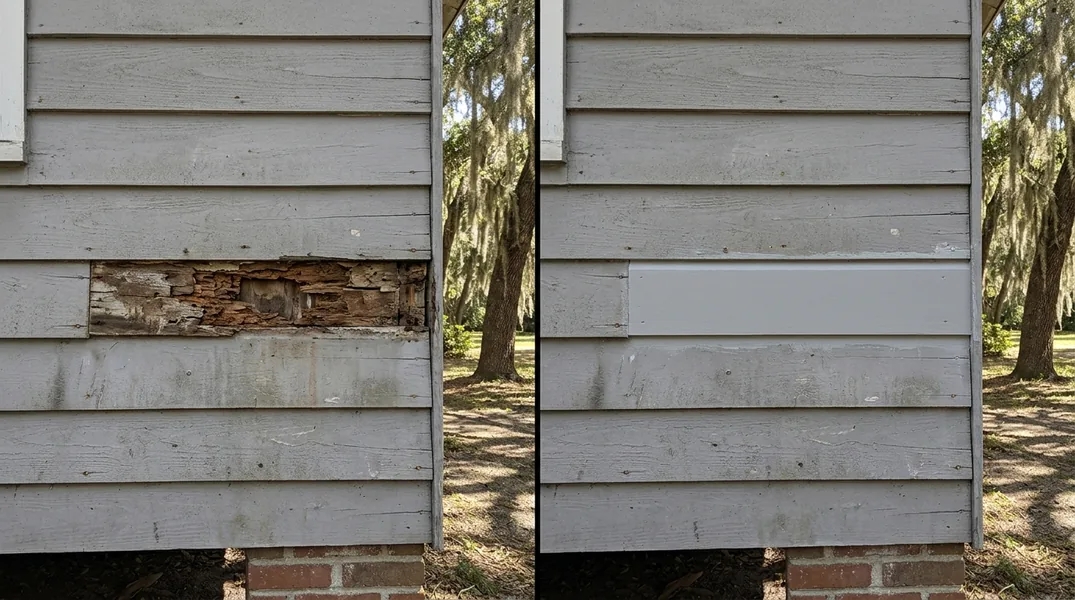
The problem accelerates because water tends to pool on sills, especially if they lack proper slope or if gutters are clogged. In Jacksonville, where humidity levels regularly exceed 70 percent and afternoon thunderstorms are common during summer months, this moisture exposure is nearly constant. Wood that stays damp for extended periods becomes soft and spongy. Homeowners often discover the problem only when they notice paint bubbling, visible soft spots, or when a fingernail or screwdriver pushes easily into what should be solid wood. At this stage, many assume the entire window frame needs replacement, but professional assessment often reveals that targeted Wood Rot & Dry Rot Repair can save the window.
Why Window Sill Repair Often Beats Full Replacement
Full window replacement sounds straightforward, but it comes with hidden costs and complications that many homeowners don't anticipate. A complete replacement involves removing the existing frame, dealing with potential structural adjustments around the opening, and installing new units that may not match the original proportions, glass thickness, or muntins (the decorative dividers in traditional windows). For historic homes, replacement windows can actually diminish property value and violate local historic preservation guidelines. The pricing for quality replacement windows easily reaches several thousand dollars per window, and labor costs add significantly to that total.
Strategic window sill repair, by contrast, focuses on removing only the damaged wood and replacing it with epoxy or new wood that matches the original material. When rot is limited to the sill itself rather than extending into the frame or jambs, repair is often the optimal choice. The original glass, hardware, and frame remain intact, preserving the window's authenticity and functionality. Repair costs are typically a fraction of replacement, and the work can often be completed in a single day. For homeowners committed to maintaining their home's historic character while staying within budget, Wood Rot & Dry Rot Repair through professional sill repair is the smart choice.
The Professional Window Sill Repair Process
Professional window sill repair begins with a thorough inspection to determine the extent of the damage. A skilled carpenter tests the wood with specialized tools to identify how deep the rot penetrates. Some rot may be visible only as surface discoloration, while other damage extends into structural layers. The goal is to remove all compromised wood while preserving as much of the original material as possible. This assessment determines whether repair is feasible or whether the damage is so extensive that replacement becomes necessary.
Once the damaged wood is removed, the carpenter carefully prepares the sill for repair. If the rot is limited to the surface and shallow layers, the area is cleaned, dried, and treated with wood preservative before being filled with two-part epoxy or high-quality wood filler. If structural integrity has been compromised, new wood is carefully fitted and joined to match the original profile and grain. The repair is then sealed with exterior-grade paint or finish that protects against future moisture intrusion. Throughout the process, the original window hardware, glass, and frame remain undisturbed, maintaining the window's historic integrity and avoiding the complications that full replacement introduces.
Rotted Window Frame Repair: When Sill Repair Extends Beyond the Sill
Sometimes rot that begins on the sill can extend into the frame itself, particularly where the sill meets the vertical jambs or where the frame connects to the wall. This situation requires more extensive work than simple sill replacement, but it still may not demand full window removal. A professional carpenter evaluates whether the rot affects critical structural elements or whether it can be addressed through careful selective repair of the compromised sections. In many cases, rotted window frame repair involves removing the affected wood, treating the remaining frame with preservative, and installing new wood pieces that are carefully jointed and sealed.
The key difference between this approach and full replacement is that the window itself stays in place. The glass, sashes, and original hardware are preserved. The work is more complex than basic sill repair, and it requires a carpenter with experience in historic wood window repair. Jacksonville Carpentry specializes in exactly this kind of work, understanding the unique challenges that Jacksonville's climate presents to original wood windows. If you notice soft spots extending into the frame itself, getting a professional assessment is the first step toward determining whether targeted repair can save your window.
Wood Window Repair Cost in Jacksonville: What to Budget
The cost of wood window repair varies significantly based on the extent of damage and the specific repairs needed. A straightforward window sill replacement with epoxy filling might cost between 300 and 800 dollars per window, depending on the sill's size and accessibility. More complex repairs that involve replacing sections of the frame or addressing rot in multiple locations can range from 800 to 2,000 dollars per window. For comparison, a single replacement window with installation typically costs 1,500 to 4,000 dollars or more, making repair the considerably more affordable option in most scenarios. Jacksonville Carpentry provides transparent pricing and detailed estimates after a thorough inspection of your windows.
Beyond the immediate repair cost, choosing sill repair over replacement saves money in other ways. You avoid the expense of disposing of old windows, you don't need to deal with potential wall damage or structural adjustments, and you preserve the authentic character of your home, which maintains or even increases property value. If you're considering window repair for your Jacksonville home, contacting Jacksonville Carpentry for a free estimate gives you a clear picture of costs and options. Call (904) 605-8456 to schedule an inspection and get an accurate quote based on your specific situation.
Preventing Future Window Sill Rot: Maintenance Tips for Jacksonville Homeowners
Once your window sills have been professionally repaired, protecting them from future damage becomes essential. The most important step is maintaining a quality exterior finish. Paint or stain should be inspected annually and refreshed every five to seven years, depending on exposure and climate conditions. In Jacksonville's intense sun and humidity, more frequent maintenance may be necessary. Keeping the finish intact prevents moisture from penetrating the wood and starting the decay cycle again. Additionally, ensure that gutters and downspouts are clean and functioning properly so that water drains away from the house rather than pooling around window openings.
Proper ventilation and moisture control inside the home also help protect windows. High interior humidity makes it easier for moisture to condense on cold window glass and seep into the wood during winter months. Using exhaust fans in bathrooms and kitchens, ensuring adequate attic ventilation, and maintaining reasonable indoor humidity levels all contribute to window longevity. If you notice early signs of paint failure, soft spots, or discoloration on your window sills, addressing the problem promptly prevents minor issues from becoming major repairs. Regular inspection and proactive maintenance transform window sill repair from a one-time expense into a long-term investment in your home's integrity and character.
Looking for a professional carpentry contractor in Jacksonville? Jacksonville Carpentry responds fast for all your carpentry needs.
Get a Free QuoteOur services: Wood Rot & Dry Rot Repair · Termite Damage Repair · Floor Joist & Subfloor Repair